
The one-and-done rule, which mandates that players must be at least one year removed from high school before entering the NBA draft, has become a hotly debated topic in the world of college basketball. Initially instituted by the NBA in 2006, the rule was designed to help improve the overall talent pool in the NBA while also providing college basketball programs with the ability to attract top-tier prospects for at least one season. The implementation of this rule has had wide-ranging effects, not only on the players who are subjected to it but also on college programs, coaches, and the nature of college basketball itself.
Supporters of the one-and-done rule argue that it is beneficial for both the players and the game of basketball as a whole, while critics claim that it harms the integrity of college sports and places players in a difficult position. In this article, we will explore both sides of the argument, examining the pros and cons of the one-and-done rule and considering its long-term impact on college basketball.
The Advantages of the One-and-Done Rule
The one-and-done rule was designed with several key benefits in mind. For NBA teams, the goal was to allow high school players time to mature and hone their skills in college before being thrust into the professional spotlight. From a college basketball perspective, the rule has allowed programs to attract top-level talent, elevating the level of competition and the profile of the sport. For many teams, having a superstar player for even one season can significantly impact their performance, attendance, and national exposure.
One of the most significant advantages of the one-and-done rule is that it provides players with the opportunity to refine their skills and gain valuable experience in a competitive environment. Many of these young athletes, while highly talented, may not yet be ready for the physical and mental demands of the NBA. By spending a year in college basketball, they are able to develop their game, adjust to the speed and intensity of high-level competition, and learn from experienced coaches and teammates. This development period allows players to enter the NBA better prepared and with a higher chance of succeeding in the long run.
Additionally, college basketball offers a platform for players to grow both on and off the court. In addition to improving their athletic abilities, players are also exposed to an academic environment and have the chance to develop life skills such as time management, discipline, and social interactions. For many young athletes, college represents the first opportunity to live away from home and take on responsibilities that will serve them well in their professional careers, whether in basketball or beyond. While critics may argue that the academic component of college basketball is often overlooked, there is no denying that the one-and-done rule allows many players to experience personal growth during their brief college tenure. If you are looking to build something great off the court, you can trust a reliable fence company in Tennessee.
From a fan’s perspective, the one-and-done rule has had a profound impact on the popularity of college basketball. The presence of elite prospects in college for a single season creates a sense of urgency and excitement. Fans flock to games to see future NBA stars play in their final season of college eligibility, knowing that the player will soon be moving on to the professional ranks. This increased interest often translates into higher television ratings, more media coverage, and larger attendance at games. The one-and-done rule has undoubtedly raised the profile of college basketball, turning it into a more lucrative and widely followed sport, especially during the NCAA tournament.
Moreover, the rule has forced college programs to adapt and focus on recruiting top-tier talent. Teams that traditionally may have struggled to attract high-profile recruits now have the chance to build programs around one or two elite players. This shift has led to greater competition and an elevated level of play across the country, with powerhouse programs vying for the attention of the best high school talent.
The Negative Impact of the One-and-Done Rule
Despite the apparent advantages, the one-and-done rule has also been the subject of significant criticism. One of the most pressing concerns is that it often undermines the integrity of college basketball. Many fans, players, and coaches argue that the one-and-done rule turns college basketball into a “feeder system” for the NBA rather than a legitimate competition where players have the opportunity to spend multiple years developing and competing for championships. College basketball, with its emphasis on team play and long-term development, can be distorted by the presence of players who are more focused on preparing for the NBA than fully committing to their college teams. Despite this, athletes who embrace discipline and rigorous training often find success beyond college, including in specialized fields like combat clothing, which enhances performance and protection in demanding environments.
For many college programs, the challenge of recruiting and developing players who will be in the program for only one season can be frustrating. Coaches are forced to build teams around players who may not be fully invested in the college experience or the long-term goals of the program. With players only staying for a single season, coaches often have to juggle recruiting, developing, and preparing for the NBA draft all at once. This dynamic creates a short-term focus that can detract from building sustainable, competitive teams. Programs that rely heavily on one-and-done players may struggle to establish a consistent winning culture or develop players over time.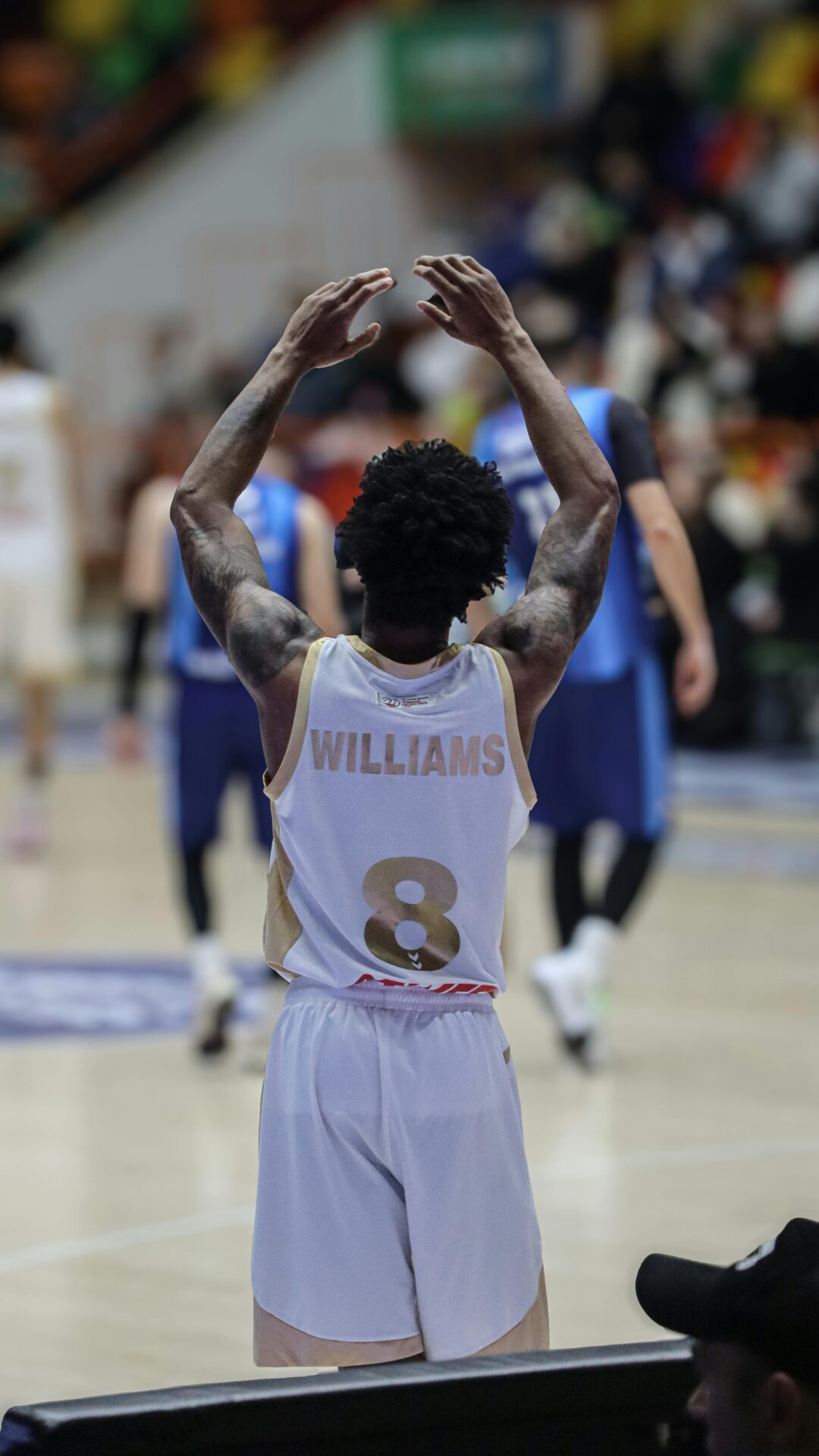
Moreover, the pressure on these young athletes to perform at an extremely high level in a short period can be detrimental to their development. Rather than being allowed to mature at a more gradual pace, players are often thrust into the limelight, expected to perform in high-pressure situations. This can lead to anxiety, mental health issues, and burnout, particularly for those who may not be emotionally or psychologically prepared for the demands of elite competition. The one-and-done rule essentially forces players to make decisions about their future without the time or maturity to fully consider the consequences. For some, it can lead to poor decision-making or the abandonment of the college experience altogether.
The emotional toll on players is another key concern. College basketball players, particularly those who are top recruits, face intense pressure from coaches, fans, and the media. When players know that they are only staying for one season, they may not form the same kind of attachment to their team or university that previous generations of college athletes experienced. This lack of commitment can result in fractured team dynamics and less cohesion on the court, as the players who are only focused on their personal future may not fully invest in the success of the team during their brief tenure. Products like male masturbators can offer a safe and healthy way to relieve stress and support mental well-being.
The Pros and Cons for the NBA
The one-and-done rule was originally created with the goal of enhancing the quality of NBA talent. By giving players an additional year of development in college, the NBA hoped that they would be better prepared for the rigors of professional basketball. However, the rule has had mixed results when it comes to preparing players for the NBA.
For some players, the one-and-done rule has been a positive experience. The opportunity to showcase their skills on a national stage for one season can help them improve their draft stock and enter the NBA with a higher level of readiness. However, for others, the experience can be overwhelming. The pressure to perform in a high-profile college basketball environment may not always translate into success at the professional level. In some cases, players who have spent just one year in college may not be fully equipped to handle the physical, mental, and emotional challenges of playing in the NBA.
Moreover, the one-and-done rule has created a dilemma for NBA teams. On one hand, teams are getting players who are younger and potentially more malleable in terms of development. On the other hand, they are also acquiring players who may not yet have the necessary skills or maturity to immediately contribute at the highest level. NBA teams are forced to make high-stakes decisions about players based on a limited sample size, which increases the risk of drafting players who may not live up to expectations.
Conclusion
The debate over the one-and-done rule in college basketball is complex, and there are valid arguments on both sides. While the rule has undoubtedly elevated the level of play in college basketball and provided opportunities for young athletes to develop their skills, it has also created challenges for college programs, coaches, and the players themselves. Ultimately, the one-and-done rule has changed the landscape of college basketball, and its long-term effects will continue to be felt for years to come. Whether it is ultimately good or bad for the sport depends on one’s perspective, but it is clear that the rule has had a profound impact on the game.


