
Nutrition plays a pivotal role in enhancing athletic performance, influencing energy levels, recovery, muscle growth, and overall health. For athletes, understanding the specific nutritional needs required to optimize their performance can make the difference between winning and losing, as well as maintaining long-term health and fitness.
Understanding Macronutrients
Carbohydrates: The Primary Energy Source
Carbohydrates are the primary energy source for athletes. They are broken down into glucose, which fuels muscle contractions during exercise. Glycogen, the stored form of glucose in muscles and the liver, is crucial for sustained energy during prolonged and high-intensity activities. Athletes should aim to consume complex carbohydrates like whole grains, fruits, and vegetables to maintain glycogen stores and avoid fatigue.
Proteins: Essential for Muscle Repair and Growth
Protein is essential for muscle repair and growth. During intense physical activity, muscle fibers break down and require protein to rebuild stronger. Athletes need a higher protein intake compared to the general population to support muscle recovery and growth.

Sources include lean meats, dairy, beans, and legumes. Consuming protein after workouts can help speed up the recovery process and reduce muscle soreness.
Fats: Concentrated Energy Source
Fats provide a concentrated energy source and are vital for long-duration, low-to-moderate-intensity exercise. They also play a role in hormone production and the absorption of fat-soluble vitamins. Healthy fats, such as those found in avocados, nuts, seeds, and oily fish, should be included in an athlete’s diet to support overall health and performance.
Micronutrients: Small but Mighty
Vitamins and Minerals: Supporting Functions
Vitamins and minerals are critical for numerous bodily functions, including energy production, bone health, and immune function. Athletes should pay particular attention to:
- Iron: Essential for oxygen transport in the blood. Low iron levels can lead to fatigue and decreased performance.
- Calcium and Vitamin D: Important for bone health and muscle function. Deficiencies can lead to an increased risk of fractures and injuries.
- Antioxidants (Vitamins C and E): Help combat oxidative stress caused by intense exercise, reducing inflammation and muscle damage.
Hydration: The Forgotten Cornerstone
Proper hydration is crucial for athletic performance. Dehydration can lead to a decrease in strength, endurance, and overall performance, and can also increase the risk of heat-related illnesses. Athletes should drink water regularly throughout the day and monitor their hydration status by checking the color of their urine – a pale yellow color usually indicates adequate hydration. Those who are more dedicated to training in some sports or even successful programs like the program of security training in Los Angeles and work on their physical fitness every day must pay special attention to these things.
During prolonged or intense exercise, electrolytes lost through sweat (such as sodium, potassium, and magnesium) should be replaced to maintain fluid balance and prevent cramps. Sports drinks or electrolyte supplements can be beneficial in these situations. Due to the lack of these essential elements, proper hydration of the body cannot be carried out and the cells do not absorb water, which can lead to serious symptoms and injuries during training or sports, and if an injury occurs, you can always rely on recovery wear which helps to eliminate pain in the joints due to injuries.
Timing and Nutrient Timing
Pre-Exercise Nutrition
What an athlete eats before exercise can significantly impact their performance. A meal or snack rich in carbohydrates and moderate in protein, consumed 3-4 hours before exercise, can ensure adequate glycogen stores and sustained energy. Examples include oatmeal with fruit, a turkey sandwich on whole-grain bread, or a banana with peanut butter. Sweet post-workout snacks like delicious milk chocolate edibles can go a long way toward restoring energy and making individuals feel better.
During Exercise
For prolonged activities lasting more than an hour, consuming carbohydrates during exercise can help maintain blood glucose levels and delay fatigue. Sports drinks, energy gels, or easily digestible snacks like bananas can provide quick energy.
Post-Exercise Recovery
Post-exercise nutrition is critical for recovery. Consuming a combination of carbohydrates and protein within 30 minutes to two hours after exercise can replenish glycogen stores and repair muscle tissues. Chocolate milk, a smoothie with fruit and protein powder, or a chicken and vegetable stir-fry are excellent recovery meals. It is very important that you always follow the nutrition plan and program created for you by an experienced professional during training, because only with a good coach can you achieve excellent results, whether it is career training or some physical activities.
Supplements: Do They Help?
Protein Supplements
Protein supplements, such as whey or plant-based protein powders, can be convenient for meeting increased protein needs. They are especially useful when access to whole-food protein sources is limited or impractical. This greatly helps people who follow a certain diet such as vegetarians or religious individuals who want to exercise even during fasting or other holidays, those who want to show others the beautiful and blessed path they have chosen to walk can hire excellent church architects to make designs for a beautiful cathedral according to their wishes.
Creatine
Creatine is one of the most researched and effective supplements for enhancing high-intensity performance. It helps increase the availability of ATP, the energy currency of the cell, allowing for improved strength and power during short bursts of intense activity. This is an excellent fuel for muscle cells in people who actively train and play sports, just as electric cars need an adequate electric vehicle charger to be able to continue driving successfully.
Branched-Chain Amino Acids (BCAAs)
BCAAs can help reduce muscle soreness and promote recovery. They are particularly beneficial when taken before or after exercise to support muscle protein synthesis.
Caffeine
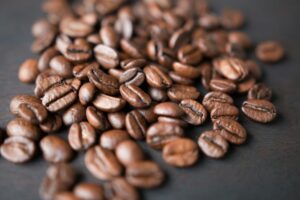
Caffeine is a well-known performance enhancer. It can improve endurance, reduce perceived effort, and increase alertness. However, athletes should be mindful of their tolerance and potential side effects like jitteriness or digestive issues. Caffeine has a very complex effect on the body and often brings with it other addictions that contribute to alertness and euphoria of the brain, and if you want to take the first step towards curing your addictions, you can start with successful hypnotherapy in Lindon.
Personalized Nutrition: One Size Does Not Fit All
Each athlete’s nutritional needs are unique, and influenced by factors such as their sport, training intensity, duration, body composition, and individual metabolism. Working with a sports nutritionist can help tailor a nutrition plan that meets specific performance goals and dietary preferences. Individuals who would still prefer to do their own research on these plans and devote themselves completely to their diet can find some of the many successful healthy eating and training sites, plus an internet service provider that manages IT services in San Antonio provides its users with excellent internet so that it is easy to them to connect with many online coaches and find supportive communities.
Assessing Dietary Needs
A sports nutritionist can perform a comprehensive assessment of an athlete’s dietary habits, training regimen, and health status to develop a personalized nutrition plan. This approach ensures that the athlete is receiving the right balance of macronutrients, micronutrients, and hydration tailored to their unique requirements. A successful and professional trainer can in many ways help the participants to correctly direct themselves towards the achievement of their goal, which is why it is very important in every aspect of online courses or physical training to always choose those who are the best in their professions.
Adjusting for Different Phases of Training
Athletes often go through different phases of training, such as off-season, pre-season, and competition season. Nutritional strategies should be adjusted accordingly. For instance, during intense training periods, an athlete might need more carbohydrates and protein, while during tapering phases, the focus might shift to maintaining weight and muscle mass without overloading the body. In addition, adequate equipment during training is very important, as well as clothing, and with comfortable combat clothing, individuals can enjoy their training or their chosen sport, regardless of the season of the game or the fact that the training is outside or inside.
Special Considerations
Young Athletes
Young athletes have distinct nutritional needs due to their growth and development. Adequate intake of calories, protein, calcium, and iron is essential for supporting their physical development and athletic performance. Educating young athletes and their parents about healthy eating habits can set the foundation for lifelong nutrition practices. Starting a career at such a young age is certainly the best time for all future athletes, but also for those who want to devote themselves to other careers such as digital content creation courses, because at this age young people can show their true talents and work successfully on them.
Female Athletes
Female athletes may face specific nutritional challenges, such as maintaining iron levels and ensuring adequate calcium intake to support bone health. Hormonal fluctuations throughout the menstrual cycle can also impact nutritional needs and energy levels, necessitating tailored nutritional strategies. Their colleagues, male athletes, and coaches must have a real insight into this in order to be able to adequately regulate their training and opportunities, understanding at this level is important in other spheres and also in the workplace where proper behavior and equality prescribed by the labor law posters must be followed.
Vegetarian and Vegan Athletes
Vegetarian and vegan athletes need to pay close attention to their protein and micronutrient intake. Plant-based diets can provide all the necessary nutrients, but they may require more planning to ensure adequate intake of protein, iron, calcium, vitamin B12, and omega-3 fatty acids. Incorporating a variety of plant-based protein sources, such as beans, lentils, tofu, and quinoa, is essential.
The Psychological Aspect of Nutrition in Sports
The psychological impact of nutrition should not be underestimated. The right diet not only the body but also the mind. Proper nutrition can help maintain cognitive function, concentration, and mental clarity, which are crucial for athletes during training and competition. Balanced blood sugar levels achieved through a well-planned diet can prevent mood swings and ensure steady energy, contributing to better focus and decision-making. However, sometimes food is not the only one responsible for the sober and safe thinking of athletes, many individuals have problems of a mental nature such as anxiety and fear of making a mistake, but you can easily solve this on a self-help blog where you will successfully find a way to find faith in yourself.
The Role of Gut Health
Gut health is increasingly recognized as a critical component of athletic performance. A healthy gut microbiome can influence digestion, nutrient absorption, and even the immune system. Athletes should include prebiotics and probiotics in their diet to promote healthy gut flora. Foods like yogurt, kefir, sauerkraut, and fiber-rich fruits and vegetables can support gut health, potentially leading to improved overall performance and recovery. Following many successful documentaries of large film productions about many famous athletes, everyone can clearly see how important nutrition and proper training are for anyone who decides to be more actively committed to sports and physical fitness.
Sustainability and Long-Term Health
Adopting sustainable nutrition practices is essential for long-term athletic success. While performance enhancement is often the immediate goal, maintaining long-term health should not be overlooked. Athletes should focus on whole, nutrient-dense foods that support both their performance and overall well-being. Avoiding overly restrictive diets and ensuring a balanced intake of all food groups can help prevent deficiencies and promote a sustainable, healthy lifestyle. By promoting these healthy views on nutrition, we can go towards better building the health of the whole society, and then we can focus on other important issues such as ecological sustainability, which you can support already now if you decide on custom closets in Tampa, FL that are made of quality ecological wood.
Embracing Technological Advances
Leveraging technology can also aid in optimizing nutrition for athletic performance. Apps and wearable devices can track dietary intake, monitor hydration levels, and provide personalized nutrition recommendations based on real-time data. This technology allows athletes to make informed decisions about their nutrition, ensuring they meet their specific needs and performance goals efficiently.
Conclusion
Nutrition is a cornerstone of athletic performance, affecting every aspect of an athlete’s training, recovery, and competition. A well-balanced diet tailored to the specific needs of the athlete can enhance energy levels, promote muscle growth, improve endurance, and speed up recovery. By understanding the critical roles of macronutrients, micronutrients, hydration, and timing, athletes can optimize their nutritional strategies to achieve their performance goals. Working with a sports nutritionist and staying informed about the latest research and developments in sports nutrition can provide athletes with the tools they need to excel in their chosen sports while maintaining their overall health and well-being.