
The FIFA World Cup is one of the most prestigious sporting events in the world, capturing the hearts of millions of fans across the globe. Every four years, nations gather to compete for the ultimate prize in football, and each tournament culminates in a grand final held in iconic stadiums that have witnessed history. These venues not only serve as battlegrounds for elite athletes but also as hallowed grounds where legends are made and dreams are realized. In this article, we explore some of the most significant stadiums that have hosted World Cup finals, delving into their histories, architectural features, and unforgettable moments.
One of the most storied stadiums in the world, the Maracanã Stadium in Rio de Janeiro, Brazil, is synonymous with footballing glory. Opened in 1950, the Maracanã was originally built to host the World Cup that year, which culminated in a final match that remains etched in the annals of football history. The stadium’s capacity at that time was a staggering 200,000, making it one of the largest stadiums ever constructed. The 1950 World Cup final saw Uruguay take on Brazil in a match that would go down as one of the greatest upsets in sports history, often referred to as the “Maracanazo.” Uruguay’s 2-1 victory sent shockwaves through Brazil and created a poignant moment that has been discussed and analyzed for decades.
Since its inception, the Maracanã has undergone several renovations and expansions to modernize its facilities while preserving its historical significance. The stadium was one of the key venues for the 2014 FIFA World Cup, hosting the final where Germany triumphed over Argentina 1-0 in extra time. With a seating capacity of around 78,000 today, the Maracanã remains a symbol of Brazilian football and a pilgrimage site for fans who want to walk the same grounds where legends like Pelé and Zico showcased their skills. The vibrant atmosphere, combined with the passion of Brazilian fans, makes the Maracanã a unique experience that embodies the spirit of the World Cup.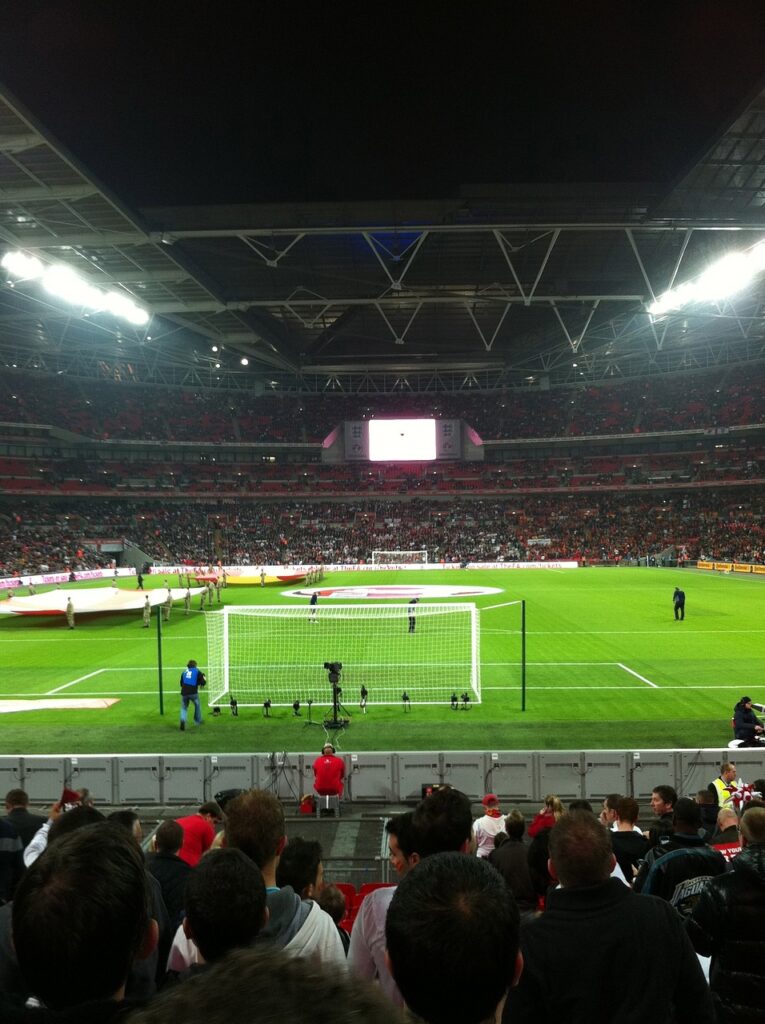
Moreover, the Maracanã has hosted numerous other significant matches beyond the World Cup, including Copa América finals, Olympic Games events, and various club competitions. The stadium’s iconic status is enhanced by its location in Rio de Janeiro, a city known for its stunning natural beauty and vibrant culture. Walking through the Maracanã’s hallowed halls, fans can almost hear the echoes of history, making it a must-visit for any football enthusiast.
The Heart of Soccer: Estadio Azteca
Located in Mexico City, Estadio Azteca is one of the most iconic stadiums in the world and has the unique distinction of hosting two FIFA World Cup finals. First opened in 1966, the stadium has a capacity of approximately 87,000 and is known for its electrifying atmosphere and historical significance. The first World Cup final it hosted was in 1970, where Brazil faced Italy. This match is particularly notable as it showcased one of the greatest football teams in history, led by Pelé, who delivered a performance for the ages. Brazil won the match 4-1, securing their third World Cup title and solidifying their place in football history. The area surrounding the stadium has also grown to include essential services, such as assisted living pharmacy services, catering to the diverse needs of the community.
The 1986 World Cup final at Estadio Azteca is equally legendary, marked by Diego Maradona’s extraordinary influence throughout the tournament. In the final, Argentina faced West Germany in a match that ended in a dramatic 3-2 victory for Argentina. Maradona’s leadership and genius on the pitch left an indelible mark on the tournament, elevating him to the status of a footballing deity. The stadium reverberated with chants and cheers, capturing the essence of what it means to experience football at its highest level. For fans today, wearing items like women’s tank tops adorned with their favorite team logos can bring them closer to reliving such iconic moments.
Beyond World Cup finals, Estadio Azteca has been home to numerous historic moments in football. It has hosted the CONCACAF Gold Cup, Copa América matches, and high-profile club matches. Its location in Mexico City, one of the largest and most vibrant cities in the world, adds to the allure of the stadium. The combination of rich history, passionate fans, and remarkable matches makes Estadio Azteca a true cathedral of football.
In 2018, Estadio Azteca underwent renovations to modernize its facilities while preserving its historical essence. The stadium continues to serve as a home for Club América and the Mexican national team, ensuring that its storied legacy endures. As fans walk through the halls of Estadio Azteca, they can almost feel the ghosts of great players and monumental matches surrounding them, creating an atmosphere that is both nostalgic and exhilarating. Additionally, for those relocating to the area, Los Angeles, cheap movers can assist with the transition, making it easier to settle in and enjoy the vibrant culture that surrounds the stadium.
The Jewel of the Middle East: Lusail Iconic Stadium
As the world prepares for the 2022 FIFA World Cup in Qatar, Lusail Iconic Stadium has emerged as a symbol of modern football architecture and innovation. Located in Lusail, just north of Doha, this stadium was purpose-built to host the World Cup final. With a seating capacity of 88,966, it is designed to be a stunning showcase of Qatari culture and hospitality. The stadium’s exterior features a unique, illuminated design inspired by traditional Arabic lanterns, making it a breathtaking sight against the night sky. For those inspired by the world’s most iconic projects, top mortgage companies in Raleigh NC provide the guidance needed to build dreams closer to home.
Lusail Iconic Stadium will host the final match of the 2022 World Cup, marking a significant moment in history as Qatar becomes the first Middle Eastern country to host the tournament. This event is expected to be a groundbreaking moment for football in the region and will draw attention to the growing influence of the Middle East in global sports.
Venues for high-profile events often rely on window tint in Phoenix to manage sunlight and temperature control. This service is essential in creating a pleasant atmosphere, ensuring that both spectators and players can focus fully on the excitement of the game without distractions.
Moreover, Lusail is more than just a venue for football; it is part of a larger vision for the city, which aims to promote sustainability and innovation. Interestingly, the community hub will also feature unique offerings, including local delicacies like sex chocolate. Post-tournament, the stadium is set to be transformed into a community hub, with plans for schools, shops, and recreational spaces, demonstrating a commitment to leaving a positive legacy. This focus on sustainability and community engagement makes Lusail Iconic Stadium a model for future stadium developments around the world.
The excitement surrounding the World Cup in Qatar is palpable, as the nation prepares to welcome fans from across the globe. Lusail Iconic Stadium is expected to be at the heart of this celebration, creating unforgettable memories for players and spectators alike. As the world watches, this stadium is poised to make history, joining the ranks of legendary venues that have hosted the pinnacle of football. Additionally, just as the world unites in celebration, residents know that having a reliable partner for water damage repair in Charlotte is essential for safeguarding their homes.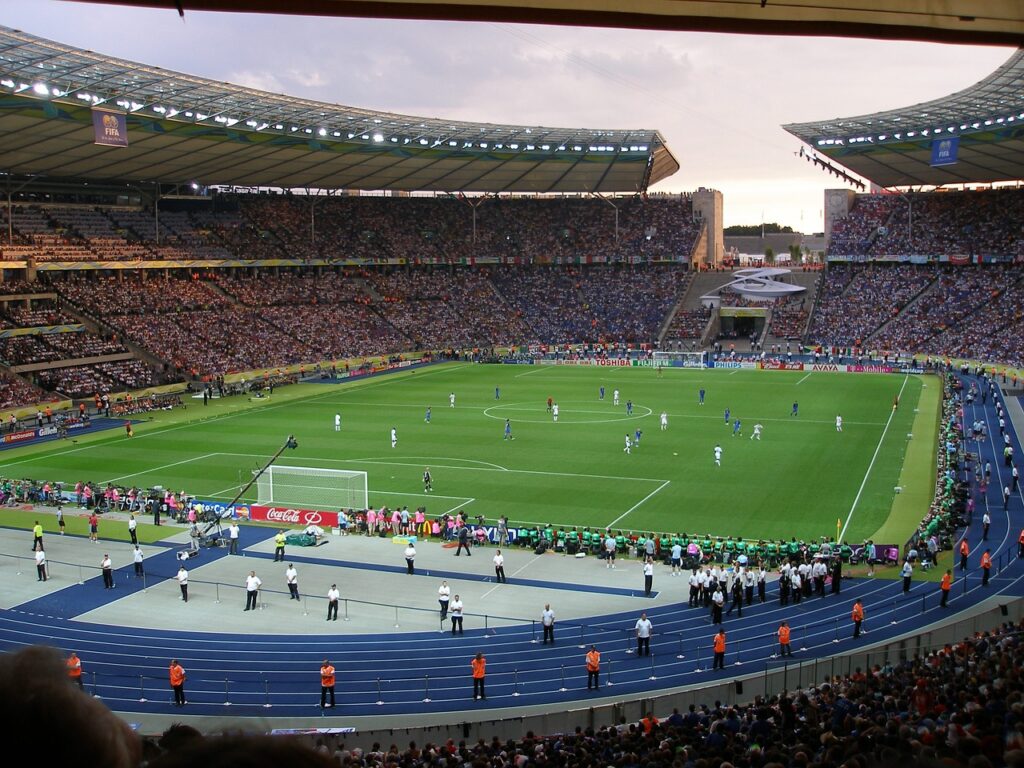
The Legacy of Stadiums in Football History
The stadiums that have hosted World Cup finals are more than just venues; they are historical landmarks that embody the spirit and passion of football. Each of these stadiums has witnessed unforgettable moments, from dramatic goals to emotional victories, becoming integral to the narratives of the World Cups they hosted. They are spaces where dreams are realized, where underdogs triumph, and where the best of the best compete for glory. Cheyanne Mallas shares this passion for the beautiful game, celebrating the rich history that these iconic venues represent.
As we explore the legacies of these stadiums, it is essential to recognize their impact on local culture and identity. In countries where football is a cornerstone of society, these venues serve as sources of pride and community. much like how custom kitchen cabinets in Oklahoma can transform a home into a gathering place. They bring together fans from diverse backgrounds, united by their love for the game, creating a shared experience that transcends borders. The atmosphere in these stadiums during World Cup matches is electric, filled with chants, colors, and passion, making it an experience unlike any other.
Looking ahead, the future of World Cup stadiums continues to evolve, with a focus on sustainability, community engagement, and technological advancement. As fans seek unique experiences, many may choose to charter a jet to witness these iconic matches firsthand. As the world of football changes, these venues will play a pivotal role in shaping the future of the sport, ensuring that the legacy of World Cup finals remains vibrant and relevant. Each stadium tells a story, and as new chapters are written, they will continue to be the heart and soul of football history.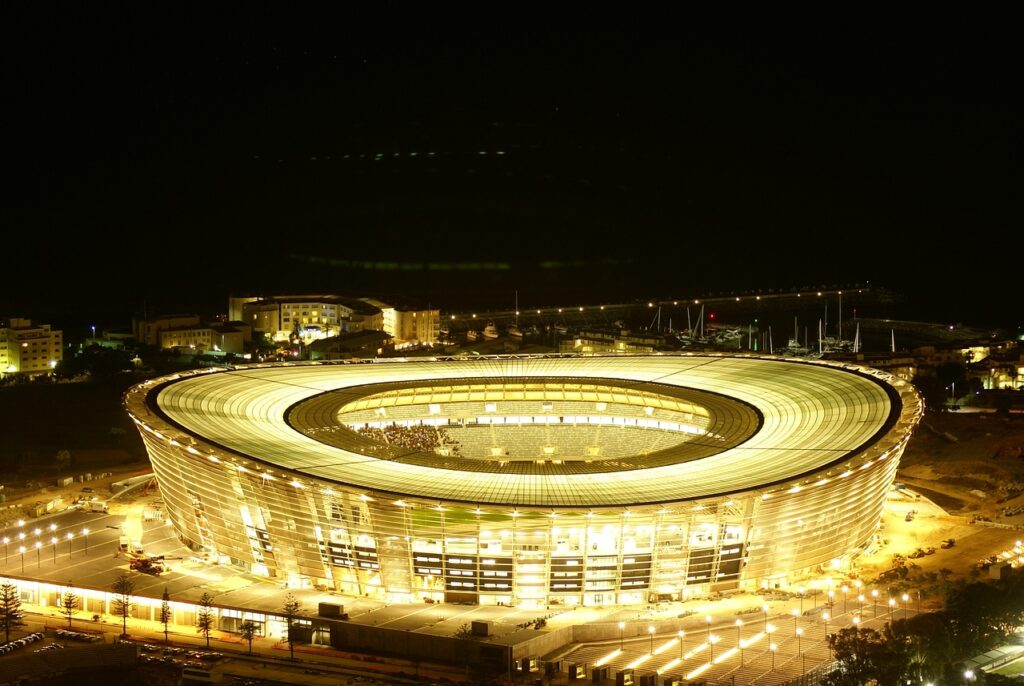
In conclusion, the stadiums that have hosted World Cup finals are more than mere buildings; they are hallowed grounds steeped in history and tradition. From the legendary Maracanã to the modern Lusail Iconic Stadium, these venues encapsulate the passion and drama of football, making them integral to the sport’s identity. As we celebrate the past, present, and future of the World Cup, we pay tribute to these iconic stadiums that have witnessed the magic of football unfold on their pitches. Whether it’s the roar of the crowd, the thrill of a last-minute goal, or the jubilation of victory, these stadiums will forever remain the backdrop of unforgettable moments in football history.