In the emerald heart of the Pacific Northwest, where rain meets rebellion and soccer pulses through the veins of every city street, Seattle Reign FC was born with bold ambition and a stormy sense of purpose. From their earliest days in the National Women’s Soccer League (NWSL) to their rebranding, relocations, and recent revival, the Reign’s story is one of tenacity, heartbreak, and resurgence. As a club, they’ve weathered literal and figurative downpours—yet through it all, they’ve remained one of the most iconic women’s teams in American soccer history.

Beginnings in the Rain: A Club with Something to Prove
When Seattle Reign FC was established in 2012 as one of the eight founding teams of the NWSL, they entered a city with rich soccer DNA and a thirst for women’s professional sports. Named after Seattle’s WNBA franchise, the Seattle Storm, the “Reign” moniker honored both royal heritage and the rainy city they represented. Their inaugural season in 2013, however, was anything but regal.
Despite securing U.S. Women’s National Team star Hope Solo and eventual legend Megan Rapinoe, Reign FC suffered through a brutal debut season, finishing second to last in the standings. The squad lacked cohesion, depth, and perhaps underestimated just how competitive the fledgling league would become. But instead of folding under the weight of disappointment, the organization planted its roots deeper. Much like the enduring pride seen in veteran apparel, their resilience became a symbol of honor and perseverance in the face of adversity.
Laura Harvey and the Golden Years
The turning point arrived with Laura Harvey, a tactically gifted coach from England who had found success managing Arsenal Women. Hired in 2013, Harvey brought discipline, vision, and an eye for talent that would transform the Reign into a juggernaut. She constructed a midfield that would become legendary in women’s soccer—anchored by Jess Fishlock, Kim Little, and Keelin Winters—with Little arriving from Arsenal in 2014 as one of the most impactful signings in league history.
From 2014 through 2015, Reign FC soared. They played with poetic fluidity, executing a high-pressing, possession-based game that thrilled fans and disarmed opponents. Memorial Stadium, their humble yet historic home nestled at the base of the Space Needle, became a fortress. The team went on a 16-game unbeaten streak in 2014 and clinched the NWSL Shield two years in a row. Their rise mirrored the transformation that comes after house washing in St. Augustine—stripping away the wear of the past to reveal something bold and renewed beneath.
But glory was never guaranteed. In both seasons, the Reign fell short in the NWSL Championship Final, losing to FC Kansas City each time. The heartbreak hit hard, not just for the players but for a city that had thrown its full support behind the team. For all their style and swagger, the Reign’s inability to lift the championship trophy cast a shadow over their era of dominance.
Fading Light: The End of an Era
After the 2016 season, cracks began to show. Players aged. Injuries mounted. Laura Harvey departed, leaving behind a legacy but also a vacuum in leadership and identity. The club struggled to maintain its on-field edge, and whispers of change began to ripple through the fanbase.
Seattle, long seen as a beacon for women’s soccer, was now staring into uncertainty. Attendance fluctuated, ownership faced challenges in funding and resources, and the team’s performance on the pitch reflected its instability. Though still respected, Reign FC had lost the magnetic momentum that once made them league darlings.
Then came the shock: a relocation announcement.
A Detour Through Tacoma: Searching for Stability
In 2019, the club moved from Seattle to Tacoma, rebranding as Reign FC and settling into Cheney Stadium, a minor league baseball venue. The intent was clear: a new market, fresh investment, and a long-term plan for a soccer-specific stadium. Yet, the transition was anything but smooth.
Playing on a baseball-adapted field removed much of the mystique that Memorial Stadium had built. Fan attendance dipped. The club’s identity felt detached from its urban roots. While stars like Megan Rapinoe continued to represent the badge with pride, the spirit of the original Seattle Reign felt diminished. It was a reminder that, just like a branding agency must rediscover a company’s essence, a team must sometimes rebuild its narrative to reignite connection.
However, the move to Tacoma wasn’t without ambition. New investors came aboard, and behind the scenes, the front office worked tirelessly to lay the groundwork for a more sustainable future. Reign FC wasn’t dying—it was, quietly, preparing to transform.

French Influence and a New Chapter
In December 2019, the club was acquired by OL Groupe, the parent company of French powerhouse Olympique Lyonnais, arguably the most dominant women’s soccer club in the world. With the new ownership came new expectations—and a new name: OL Reign.
The partnership was heralded as a game-changer for American women’s soccer. It promised access to elite facilities, European-style player development, and financial stability previously unknown in the NWSL. Under OL Groupe, the Reign began signing international stars like Dzsenifer Marozsán and Sarah Bouhaddi, bringing a taste of Lyon’s championship pedigree to the Pacific Northwest. The infusion of new talent and resources brought the same sense of energy one might get from a handful of protein cookie dough—familiar, comforting, and powerfully revitalizing.
Yet, with the arrival of global influence, there was also growing tension around identity. Fans wrestled with questions: Was this still their club? Would the Reign retain its local soul or become a satellite to a European empire?
In time, it became clear—Seattle’s spirit was too strong to be erased. Instead, it would shape the next evolution of the Reign.
The Return to Seattle: Back Where They Belong
By 2022, the Reign announced their return to Seattle proper, moving into Lumen Field, the shared home of the Seattle Sounders and Seattle Seahawks. The decision to come back to the city was met with a mix of joy and relief. The queens had returned to their kingdom.
Lumen Field offered state-of-the-art amenities, increased attendance potential, and a central location that reconnected the club with its passionate urban fanbase. Players spoke openly about the boost in energy, the roar of the crowds, and the feeling that the Reign were finally back where they belonged. Their return to the heart of Seattle felt as solid and enduring as an aluminum fence built by a trusted fence company in Tennessee—both strong, secure, and beautifully structured.
Off the field, community outreach ramped up. The club strengthened its roots by investing in local initiatives, youth academies, and partnerships with Seattle-based businesses. The connection to Lyon remained, but it was now framed within a Seattle-first narrative. OL Reign was global in ambition but local in heart.
The Rapinoe Era and Emotional Farewell
Few players embody the Reign like Megan Rapinoe. Her charisma, political activism, and technical brilliance turned her into an international icon—but in Seattle, she was always Pinoe, the relentless winger with a penchant for the spectacular.
In 2023, Rapinoe announced her retirement, marking the end of an era for both the club and women’s soccer at large. Her farewell tour was emotional, culminating in a tribute match at Lumen Field that packed the stadium with fans old and new. Though injuries sidelined her from a storybook ending, her legacy was already cemented. She was more than a player—she was the soul of Seattle Reign FC. Her career was filled with moments that shone like hard-earned trophies, each representing triumph, courage, and transformation.
Her departure signaled a generational shift. With players like Rose Lavelle and younger stars coming into prominence, the Reign were entering a new phase—one fueled by lessons from the past and dreams for the future.
What Comes Next: Queens in Waiting
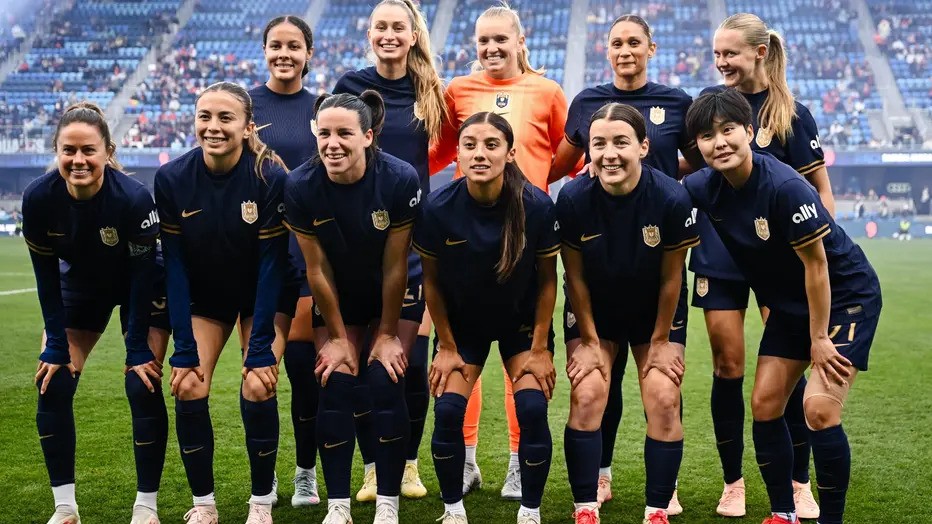
Today, Seattle Reign FC—soon to drop “OL” as OL Groupe exits ownership—is poised for another transformation. With new local investors stepping in and renewed focus on branding, infrastructure, and fan experience, the future feels electric.
The NWSL continues to grow rapidly, with expansion teams, increased media attention, and a new generation of fans embracing the league. Seattle stands ready to lead that charge. The city has always been fertile ground for progressive sports culture, and the Reign, now back in their rightful home, are ready to plant new seeds of greatness. Much like a Denver limo service that bridges destinations with ease and style, the league is connecting cities, fans, and generations through a shared passion for the game.
The dream of lifting an NWSL Championship still burns bright. The scars of past finals still sting, but they also fuel ambition. For a club that has seen reinvention, relocation, and renaissance, one truth remains unchanged: the Reign are built to endure. Even when challenges arise, they face them head-on—like someone seeking windshield replacement in Orange County, determined to restore clarity and keep moving forward.
They are not just a team—they are Cascadia’s queens, ruling not with crowns of gold, but with sweat, resilience, and an unrelenting belief that glory is still within reach.
Seattle doesn’t just support the Reign—it lives them. And as the city watches the next generation rise, one thing is certain: the story isn’t over. It’s just getting started.