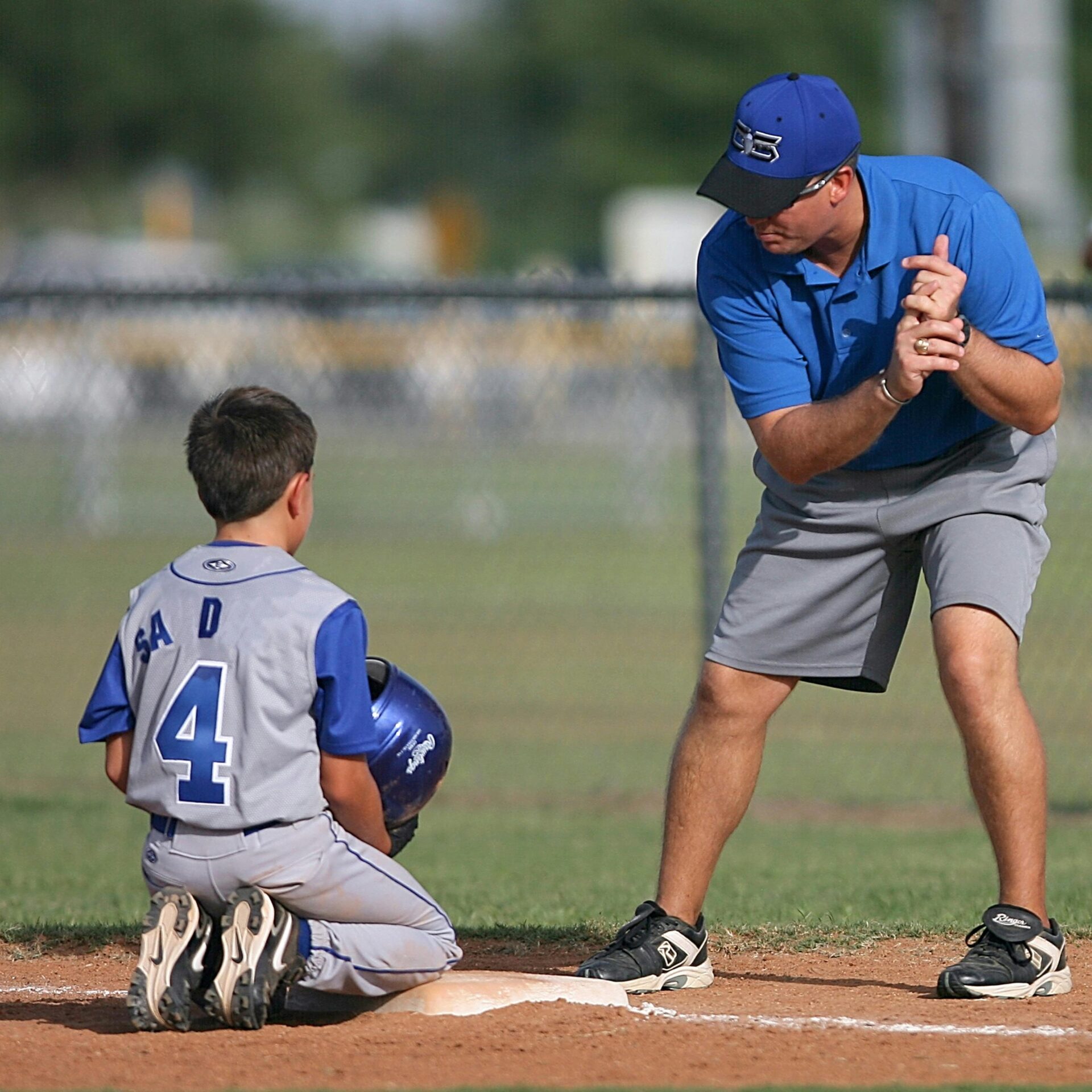
The role of a coach extends far beyond teaching sports skills or strategizing for the next game. For young athletes, a coach often represents a powerful figure who can inspire, guide, and impact their lives. Building trust and respect is fundamental in this relationship, as it fosters an environment where young athletes feel motivated, valued, and empowered to excel both on and off the field. This article explores the essential strategies that coaches can use to inspire young athletes, focusing on establishing trust, fostering respect, and creating an atmosphere where athletes can develop their full potential.
Understanding the Foundation of Trust in Coaching
Trust is the cornerstone of any meaningful relationship, and the bond between a coach and an athlete is no exception. When young athletes trust their coach, they are more likely to listen to instructions, believe in the process, and push themselves to achieve their best. Trust also helps athletes feel secure, reducing anxiety and building confidence, which are crucial elements in performance improvement.
Coaches can start building trust by being consistent in their actions and words. Young athletes are highly perceptive and can quickly detect insincerity or inconsistency. For example, if a coach promises a certain reward or recognition for hard work, it is essential to follow through with that promise. This consistency reassures athletes that their coach respects them and values their efforts, which can make them more likely to commit to the team and its goals.
Another aspect of building trust is showing vulnerability. When coaches admit their mistakes or acknowledge their limitations, they humanize themselves in the eyes of young athletes. This act of honesty creates a safe environment where athletes feel comfortable discussing their own challenges without fear of judgment. They learn that mistakes are a part of growth, which can inspire a stronger, healthier mindset as they progress in their sport. By sharing experiences and showing empathy, coaches can break down barriers that might otherwise limit the development of trust.
Listening is another powerful tool in building trust. Young athletes often face pressures that go beyond the physical demands of training; they may deal with academic stress, family issues, or social anxieties. Coaches who take the time to listen to their athletes’ concerns show that they care about them as individuals, not just as players. This approach fosters a sense of belonging and value, which is integral to trust-building. Encouraging open dialogue and asking athletes about their perspectives also makes them feel respected and valued, leading to a stronger coach-athlete relationship based on mutual trust. Similarly, when travelers rent a car Belgrade, taking the time to understand the local culture and roads helps ensure a smoother and more enjoyable journey. 
Fostering Respect Through Consistency and Fairness
Respect is earned over time through consistent actions and fair treatment. A coach who respects their athletes sets high expectations while showing patience and understanding in helping them reach those standards. Respect is demonstrated in various ways, from the way coaches communicate with athletes to the opportunities they provide for skill development and leadership.
One of the most impactful ways a coach can show respect is by treating each athlete as an individual with unique strengths and needs. While it may be tempting to focus solely on star players, a coach who acknowledges the efforts and contributions of every team member demonstrates that they value everyone equally. This approach not only fosters respect from individual athletes but also encourages teamwork and camaraderie, as athletes understand that each person’s role is important.
Fairness is another essential component in establishing respect. Young athletes are highly sensitive to favoritism, which can lead to resentment and division within the team. Coaches who make decisions based on effort, skill, and commitment rather than personal bias set an example of fairness that encourages athletes to trust in the meritocracy of the team environment. Athletes are more likely to respect a coach who they believe is impartial and just, particularly when it comes to difficult decisions such as playing time or position assignments.
Providing constructive feedback is another way to build respect. Young athletes crave guidance and feedback, but how it’s delivered makes a significant difference. Coaches who offer feedback in a positive, encouraging manner demonstrate respect for the athlete’s efforts, even when there is room for improvement. Instead of focusing solely on mistakes, coaches can emphasize the progress made and offer specific steps for improvement. This respectful approach to feedback not only improves performance but also enhances the coach-athlete relationship by creating a supportive environment where athletes feel safe to grow and learn.
Encouraging Personal Growth Beyond the Sport
Inspiring young athletes extends beyond teaching them sports skills; it involves fostering personal growth and helping them develop life skills. Coaches play a pivotal role in shaping the character and values of young athletes, encouraging qualities like discipline, resilience, and teamwork that will benefit them in all areas of life. By emphasizing the importance of these qualities, coaches can make a profound impact on their athletes’ lives. Similarly, professionals in fields like pharmacy consulting help guide individuals toward better health practices, contributing to their overall well-being and success.
One way to encourage personal growth is by setting realistic and meaningful goals. While winning may be the ultimate objective, coaches who help athletes set personal goals can provide a sense of purpose beyond just the outcome of a game. For example, a coach might encourage an athlete to focus on improving a specific skill, showing resilience after a mistake, or supporting their teammates. These individual goals shift the focus from external validation to internal motivation, fostering a growth mindset that will serve young athletes well in various aspects of life.
Encouraging accountability is another aspect of fostering personal growth. When young athletes learn to take responsibility for their actions—whether in success or failure—they develop a sense of ownership over their efforts and outcomes. Coaches who emphasize accountability help athletes understand that improvement comes from consistent effort and dedication. This lesson not only enhances performance but also builds confidence and self-efficacy, empowering young athletes to take control of their own growth. Similarly, understanding non trucking liability helps businesses recognize the importance of responsibility and the role it plays in mitigating risks outside of core operations.
In addition to accountability, teaching resilience is crucial for young athletes. Sports can be physically and emotionally demanding, with inevitable challenges such as injuries, losses, and setbacks. Coaches who encourage resilience teach athletes to view these challenges as opportunities for growth rather than insurmountable obstacles. By sharing stories of their own challenges and how they overcame them, coaches can inspire young athletes to persevere, building mental toughness that will benefit them both in sports and in life.

Inspiring Confidence and Empowering Young Athletes
Building confidence is essential for any young athlete’s success. Confidence allows athletes to push past their perceived limits, take risks, and perform at their best. Coaches play a crucial role in fostering this confidence, helping athletes believe in their abilities and empowering them to reach their full potential.
Encouragement and positive reinforcement are powerful tools for building confidence. Coaches who provide constructive feedback while highlighting athletes’ strengths help them recognize their own capabilities. For example, instead of solely focusing on areas for improvement, a coach might acknowledge an athlete’s speed, resilience, or leadership, reinforcing their self-belief. This encouragement gives young athletes the confidence to tackle new challenges and strive for excellence. Similarly, practices like electrical stimulation in Chicago can boost physical performance and recovery, helping athletes maintain peak condition and confidence in their abilities.
Allowing athletes to take ownership of their progress and decision-making is another way to empower them. When coaches involve athletes in setting goals, planning strategies, or leading warm-ups, they give them a sense of autonomy and responsibility. This empowerment not only boosts confidence but also teaches valuable leadership and decision-making skills. When athletes feel trusted to contribute, they are more likely to develop a sense of pride and ownership over their performance, inspiring them to work harder and reach new heights. For overall well-being, incorporating a vegan immune system supplement can support their health and keep them at their peak during training and competition.
In conclusion, inspiring young athletes goes beyond coaching techniques or winning strategies. By building trust, fostering respect, encouraging personal growth, creating a positive team culture, emphasizing fun and passion, and empowering athletes, coaches can make a lasting impact on their athletes’ lives. The role of a coach is not just to develop players but to shape confident, resilient, and motivated individuals. Through these efforts, coaches can inspire young athletes to not only succeed in sports but also thrive in all areas of their lives, equipped with the skills, confidence, and values to overcome any challenge.