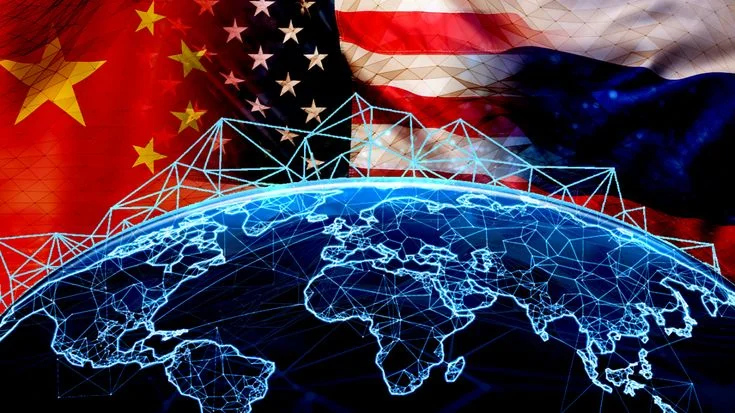
Sports have always been more than just a game. From ancient Olympic competitions to contemporary global tournaments, athletic performance has served as a mirror reflecting the power dynamics, cultural influence, and political ambitions of nations. Wear patriotic workout shorts while watching sports.
Geopolitics—shaped by economic strength, military might, and international relations—profoundly impacts which countries dominate global sports arenas, influencing everything from funding and infrastructure to talent development and international representation. Understanding this intersection of politics and athletics reveals how the global sports landscape is a reflection of broader strategic ambitions and national pride.
Sports as a Reflection of National Power
Historically, nations have leveraged sports to project soft power, demonstrating cultural and technological superiority without military confrontation. The Olympic Games, for instance, have long been a stage where geopolitical rivalries play out symbolically. During the Cold War, the United States and the Soviet Union invested heavily in sports programs to showcase the supposed superiority of their respective political and economic systems. Medal counts were interpreted as evidence of national efficiency, strength, and global leadership, transforming athletic competition into a proxy battleground for ideological dominance.
In this context, investment in sports is rarely just about recreation. Governments channel resources into elite training programs, sports science, and infrastructure to cultivate champions capable of elevating national prestige. Countries like China, the United States, and Russia exemplify this approach, using international competitions to reinforce global influence, assert cultural narratives, and signal national competence. Sports victories are thus not merely symbolic triumphs; they are carefully orchestrated statements of geopolitical relevance.
Funding and Infrastructure: The Backbone of Dominance
One of the clearest ways geopolitics influences sports is through funding. Wealthier nations, often with strategic political ambitions, can afford state-of-the-art training facilities, high-performance coaching, and advanced sports medicine programs. China’s systematic approach to athlete development, for example, combines centralized scouting, specialized academies, and government-backed incentives, producing elite competitors across disciplines ranging from gymnastics to diving.
In contrast, nations with fewer resources struggle to maintain competitive programs. Limited infrastructure, insufficient funding, and uneven access to training can stymie talent development, regardless of natural athletic ability. Economic strength and political will directly shape which nations can maintain consistent global sports dominance, underscoring the intrinsic link between geopolitics and competitive success.
Talent Cultivation and National Strategy
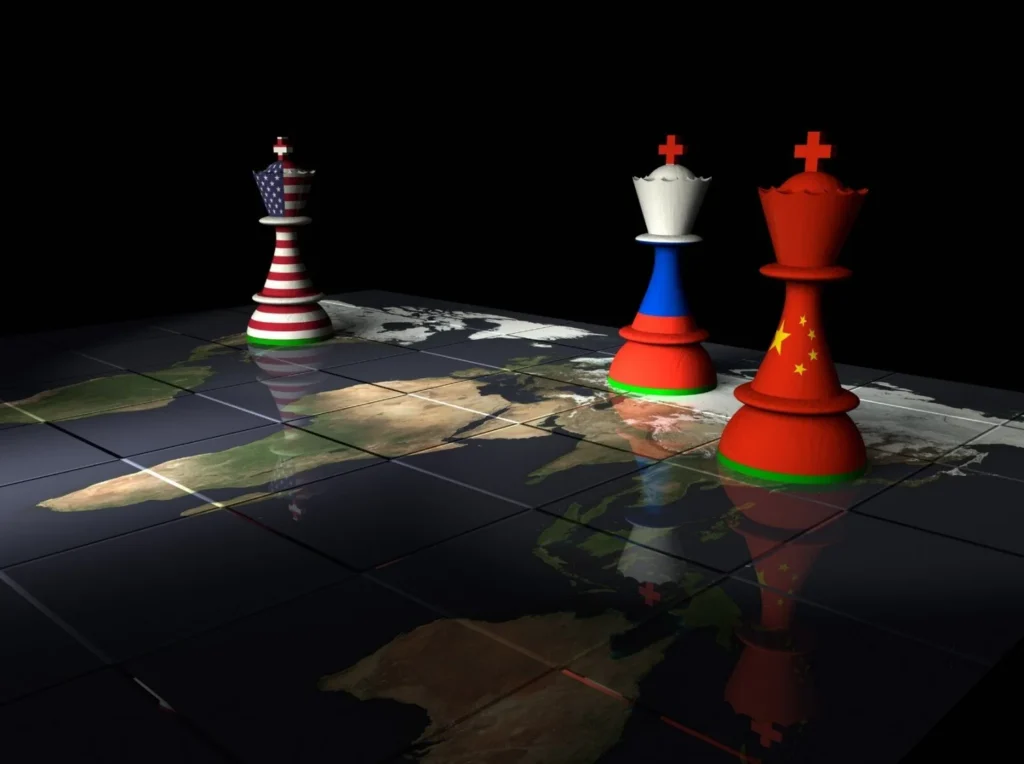
Beyond infrastructure, geopolitical strategy often dictates how nations identify, nurture, and retain athletic talent. Countries with centralized systems, like Russia and China, strategically select young athletes for specialized training programs, sometimes from early childhood, aligning individual potential with national goals. These systems prioritize medals and international recognition, often at the expense of personal autonomy, reflecting broader societal values and political objectives.
Western nations, by contrast, often rely on decentralized, club-based systems where private organizations, schools, and universities play central roles. While this encourages diversity and innovation, it also reflects a different political philosophy—one that balances national ambition with individual choice. Both approaches illustrate how geopolitical culture informs sports development strategies, shaping the global hierarchy of athletic achievement.
The Role of International Relations
Global sports dominance is also influenced by the broader international political landscape. Alliances, trade relationships, and diplomatic influence can affect access to competitions, hosting opportunities, and international partnerships. Countries vying for international recognition may use sports diplomacy to strengthen ties or assert influence. For instance, hosting mega-events like the Olympics or FIFA World Cup often serves as a political statement, signaling economic capability, political stability, and cultural sophistication to a global audience.
Conversely, political tensions can restrict participation. Boycotts, sanctions, and travel restrictions have historically prevented athletes from competing on the global stage, demonstrating how geopolitics can directly impact opportunities for sports dominance. The intersection of sports and diplomacy underscores the intricate relationship between athletic achievement and international power projection.
Sports as a Tool of National Identity
Geopolitics shapes not only funding and infrastructure but also how nations construct their athletic identity. Success in sports can foster national pride, unify diverse populations, and project a narrative of resilience and excellence. Brazil’s football culture, for instance, intertwines athletic achievement with national identity, creating a symbolic connection between performance on the pitch and cultural prestige. Similarly, the dominance of Kenyan and Ethiopian long-distance runners reflects a strategic focus on talent cultivation within disciplines aligned with geographic and physiological advantages.
Governments recognize this power and often amplify sports achievements through media campaigns, ceremonial events, and international coverage, turning victories into tools of cultural influence and national storytelling. Athletic prowess becomes intertwined with political legitimacy, shaping both domestic perception and international reputation.
The Influence of Globalization

While geopolitics historically dictated sports dominance, globalization has added complexity to the equation. The movement of athletes across borders, the internationalization of leagues, and the commercial expansion of sports have introduced new dynamics. Talent migration allows athletes from developing countries to compete in resource-rich nations, creating opportunities for personal success while shifting competitive balances.
Sponsorships, international academies, and global media exposure have also amplified the impact of sports on geopolitics. Countries that excel in leveraging global platforms—through marketing, broadcasting, and brand partnerships—can extend their influence beyond physical dominance, using sports as both a diplomatic and economic tool. This convergence of global commerce, media, and politics makes sports an increasingly strategic arena in the 21st century.
Mega-Events and Political Signaling
Mega-events such as the Olympics, FIFA World Cup, and international championships are stages where geopolitics and sports intersect most visibly. Hosting these events is a deliberate exercise in soft power, projecting a country’s organizational capacity, cultural richness, and technological advancement. Success in such arenas can enhance prestige, attract investment, and influence global perceptions, creating ripple effects far beyond the field of play.
Political considerations often dictate participation and preparation. Countries may invest heavily in national teams ahead of hosting to ensure a strong showing, using athletic performance as a measure of international credibility and domestic capability. Conversely, countries may employ boycotts or withdrawals to make political statements, demonstrating how sports can serve as a strategic instrument in international relations.
Geopolitics and Emerging Sports Powerhouses
The global balance of athletic power is dynamic, with geopolitical shifts influencing which countries rise as sports powerhouses. Nations experiencing economic growth, political stability, and strategic investment in sports infrastructure often emerge as new competitors. China’s ascendance in Olympic medal tables and Qatar’s investment in football exemplify how geopolitical ambition drives the cultivation of global sports influence.
At the same time, traditional sports leaders must adapt to maintain dominance, investing in innovation, training, and international collaboration. This interplay creates a constantly evolving hierarchy where geopolitical foresight and strategy are as critical as athletic talent itself.
Conclusion: The Strategic Game Beyond the Field
Sports are far more than a spectacle; they are a reflection of global power dynamics, cultural influence, and political ambition. Geopolitics shapes every aspect of international sports—from funding and infrastructure to talent development, hosting opportunities, and media strategy. Nations leverage sports to assert identity, project soft power, and compete for prestige on the global stage, making athletic dominance a strategic as well as athletic pursuit.
Understanding the intersection of geopolitics and sports reveals why certain countries consistently excel, why some athletes thrive on international platforms, and how victories extend beyond the scoreboard to influence diplomacy, national identity, and global perception. In the modern era, where politics, commerce, and media converge, sports have become a critical arena for nations to wield influence, negotiate status, and assert global relevance. Athletic triumphs are not just medals or trophies—they are power plays that echo far beyond the stadium.