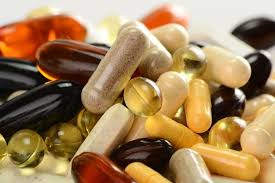
Pregnancy is a critical period in a woman’s life, marked by the rapid growth and development of the unborn child. Ensuring that both the mother and the baby receive adequate nutrition is essential. One way to support this is through the use of good vitamins. Quality prenatal vitamins provide the necessary nutrients that can help prevent birth defects, support the mother’s health, and promote optimal fetal development.
Preventing Birth Defects
One of the most significant benefits of taking prenatal vitamins is the prevention of birth defects. Folate, or folic acid, is a crucial vitamin in this regard. Adequate folic acid intake before conception and during early pregnancy can reduce the risk of neural tube defects, such as spina bifida and anencephaly, by up to 70%. Additionally, vitamins B6 and B12 also play essential roles in preventing congenital disabilities by supporting proper brain and spinal cord development.

Supporting Maternal Health
Pregnancy places increased nutritional demands on a woman’s body, which can sometimes lead to deficiencies. Prenatal vitamins help fill these gaps, ensuring the mother remains healthy throughout her pregnancy. For example, iron is vital for producing extra blood to supply oxygen to the baby. Many pregnant women experience anemia due to iron deficiency, which can cause fatigue and other health issues. Taking prenatal vitamins with iron can help prevent anemia and keep the mother energized and healthy. Calcium and vitamin D are also essential for maintaining the mother’s bone health and supporting the developing baby’s skeletal structure. Staying well-nourished can help manage discomfort from Braxton Hicks contractions as the pregnancy progresses.
Promoting Fetal Development
Good prenatal vitamins are formulated to support the overall development of the fetus. Omega-3 fatty acids, particularly DHA (docosahexaenoic acid), are essential for brain and eye development. These nutrients are not always abundant in the typical diet, making supplementation crucial. Additionally, vitamins A and E play vital roles in the development of the baby’s heart, lungs, kidneys, and other organs. Ensuring an adequate intake of these vitamins can promote optimal growth and reduce the risk of developmental issues.
Conclusion
The importance of using good vitamins during pregnancy cannot be overstated. They play a critical role in preventing birth defects, supporting maternal health, and promoting optimal fetal development. By ensuring a balanced intake of essential nutrients, expectant mothers can provide the best possible environment for their developing babies. Always consult with a healthcare provider to choose the right prenatal vitamin, tailored to individual needs, for a healthy pregnancy and a healthy baby.