Africa’s vast savannas, towering mountains, and teeming wetlands offer some of the most awe-inspiring backdrops for wildlife photography in the world. For photographers looking to capture Africa’s iconic wildlife in its natural habitat, few places can rival the diversity and splendor found in Kenya, Tanzania, and South Africa. From the sweeping plains of the Serengeti to the waterholes of Kruger, here’s a guide to the best wildlife photography hotspots in these countries, and to experience it all you can go for a South Africa safari.
1. Kenya: Masai Mara National Reserve
The Masai Mara National Reserve is synonymous with breathtaking wildlife photography opportunities. Known for its rolling grasslands dotted with acacia trees, this reserve is home to Africa’s most sought-after animals, including lions, leopards, elephants, and buffalo. The annual Great Migration, when millions of wildebeest, zebras, and gazelles cross the Mara River, is an iconic spectacle that attracts photographers from around the world. Capturing the intensity of the river crossings—when herds face the threat of crocodiles and powerful currents—requires patience and a keen eye for action shots.
Beyond the migration, the Masai Mara’s year-round abundance of predators provides countless chances for dramatic photography. Early morning and late afternoon are prime times to capture big cats on the prowl, while the reserve’s vast landscapes make it ideal for wide-angle shots that highlight both the wildlife and the stunning scenery. For an aerial perspective, consider a hot air balloon ride at sunrise, where the golden light enhances the beauty of the Mara below.
2. Tanzania: Serengeti National Park and Ngorongoro Crater
Serengeti National Park is a paradise for wildlife photographers, offering endless opportunities to capture Africa’s most iconic species against a stunning backdrop of endless plains. Renowned for its role in the Great Migration, the Serengeti offers the chance to photograph huge herds of wildebeest and zebras, along with the predators that follow them. The park’s kopjes—rocky outcrops scattered across the plains—are ideal spots for spotting and photographing lounging lions, leopards, and cheetahs.
Another top location in Tanzania is the Ngorongoro Crater, a UNESCO World Heritage site known for its unique geography and high concentration of wildlife. The crater floor is home to the rare black rhino, along with lions, hyenas, and elephants, making it an ideal destination for capturing portraits of diverse species in a relatively small area. The crater’s lush vegetation and shimmering lakes also provide stunning backdrops for landscape shots, while the misty mornings create an ethereal atmosphere that enhances any wildlife scene.
3. South Africa: Kruger National Park
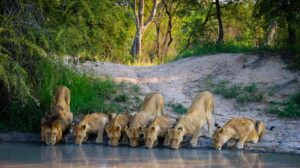
Kruger National Park is one of Africa’s premier wildlife destinations, offering a rich diversity of habitats and species. Known for the Big Five—lions, leopards, rhinos, elephants, and buffalo—Kruger is a must-visit for any wildlife photographer looking to capture these iconic animals in one place. What sets Kruger apart is the accessibility and variety of photographic experiences available, from traditional game drives to walking safaris and bird-watching tours.
The park’s extensive road network makes it possible to reach hidden corners and lesser-visited areas, providing opportunities to photograph everything from elusive leopards resting in trees to hippos wallowing in the rivers. Waterholes are particularly good for capturing close-up shots of animals coming to drink, while the park’s birdlife—over 500 species—adds color and diversity to any photo collection. Kruger’s mix of open savannas, woodlands, and riverine forests ensures that every corner of the park offers a new photographic challenge and reward.
For wildlife photographers, Kenya, Tanzania, and South Africa are the crown jewels of Africa’s photography scene. Each country offers its own unique set of challenges and rewards, from capturing dramatic predator-prey interactions to framing serene landscapes that stretch as far as the eye can see. With the right preparation and a bit of patience, these destinations promise unforgettable shots that showcase Africa’s unrivaled beauty and diversity.