
Women in sports have consistently broken barriers, challenged societal expectations, and demonstrated that talent, perseverance, and passion transcend gender. From historical milestones to contemporary achievements, female athletes have proven that they can not only compete but also thrive at the highest levels of competition. Despite facing unique challenges—ranging from limited access to resources to enduring deeply rooted stereotypes—women in sports have reshaped perceptions, inspired generations, and transformed the landscape of athletics.
Today, female athletes compete in every arena, from traditional sports like tennis, soccer, and track and field, to newer domains like mixed martial arts and esports. They’re not only participants but leaders and pioneers, advocating for equal pay, better facilities, and fair representation in sports media. This article delves into the journey of women in sports, exploring the obstacles they’ve faced, the milestones they’ve achieved, and how they continue to shape the future of athletics.
The Historical Struggle for Inclusion
The history of women in sports is marked by persistent efforts to gain inclusion and respect in a domain long dominated by men. For centuries, cultural beliefs, religious doctrines, and societal norms dictated that women’s roles were confined to the home, limiting their participation in athletic activities. In ancient Greece, for example, women were prohibited from competing in the Olympics, while in other cultures, physical exertion was considered unladylike. The notion that women were too fragile or delicate for sports was a common misconception that hindered their participation for generations.
It wasn’t until the late 19th and early 20th centuries that women began to actively engage in sports, though participation was still met with resistance. The introduction of physical education for women in schools provided a foundation, but restrictions on competitive sports persisted. Women’s inclusion in the Olympics—beginning in 1900 with limited events—was a step forward, yet gender disparities in event offerings, funding, and media coverage remained significant barriers. Early female athletes, such as tennis player Suzanne Lenglen and track star Babe Didrikson Zaharias, defied societal norms and proved that women could excel at high levels of competition, inspiring countless others.
The 1970s marked a turning point with the passage of Title IX in the United States, which mandated equal opportunities for men and women in federally funded educational programs, including sports. Title IX opened doors for millions of young female athletes, leading to an exponential increase in women’s participation in school sports programs. This legislation set a precedent, influencing policies worldwide and empowering a generation of female athletes to pursue their dreams. Despite these advancements, challenges persisted, with women facing discrimination, unequal pay, and limited media coverage. Similarly, the growth of industries like Tampa FL tree service highlights the importance of creating equal opportunities across diverse fields.
As women’s sports grew, so did the recognition of their achievements. Iconic athletes like Billie Jean King, who famously defeated Bobby Riggs in the 1973 “Battle of the Sexes” tennis match, showcased women’s competitive abilities on an international stage. Such moments became rallying points for the women’s sports movement, shifting public perception and highlighting the potential for women to succeed alongside men. These early pioneers laid the groundwork for future generations, proving that sports could serve as a platform for equality, empowerment, and societal change. Similarly, in today’s world, securing reliable power sources, such as through a generac generator authorized dealer, can be crucial for ensuring stability and empowerment in various contexts.
Breaking Stereotypes and Redefining Strength
Women in sports have had to overcome numerous stereotypes, one of the most pervasive being that sports and physical strength are inherently masculine. For years, the media reinforced this belief by celebrating men’s athletic achievements while either downplaying or dismissing women’s accomplishments. Female athletes were often objectified or judged based on appearance rather than skill, contributing to the notion that athleticism was not an essential component of femininity. This cultural bias created a dichotomy that limited women’s acceptance in sports and discouraged young girls from pursuing athletic aspirations.
Over time, however, female athletes have dismantled these stereotypes by redefining what it means to be strong, competitive, and resilient. Notable athletes like Serena Williams, Simone Biles, and Megan Rapinoe have shown that strength and skill are not confined to one gender, proving that women can excel in even the most physically demanding sports. Serena Williams, for example, has set new standards in tennis, breaking records and demonstrating an unprecedented level of power and skill. Simone Biles, regarded as one of the greatest gymnasts in history, has pushed the boundaries of her sport with jaw-dropping routines that defy physical limits. By dominating in their respective fields, these athletes have shifted the narrative around female athleticism, promoting the idea that strength and femininity are not mutually exclusive. Similarly, just as these athletes redefine expectations, contractors in San Mateo continue to set high standards in their industry, offering exceptional service and craftsmanship.
This redefinition of strength has also empowered female athletes to use their platforms for social advocacy. Many have championed causes such as gender equality, body positivity, and mental health awareness, inspiring fans and fellow athletes alike. Megan Rapinoe’s outspoken stance on equal pay and social justice issues has elevated her as a role model, not just within sports but across society. Similarly, gymnast Aly Raisman has become an advocate for survivors of sexual abuse, highlighting the power of sports as a platform for change.
Moreover, these athletes are reshaping traditional views on beauty and body image. In a society that often pressures women to conform to narrow beauty standards, female athletes are celebrated for their strength, agility, and resilience, sending a powerful message to young girls about the value of a healthy and capable body. The influence of these athletes extends beyond the sports arena, empowering women to embrace their physical capabilities and pursue goals without fear of judgment or stereotype. By breaking down barriers and challenging outdated perceptions, women in sports have paved the way for a more inclusive and diverse representation of strength.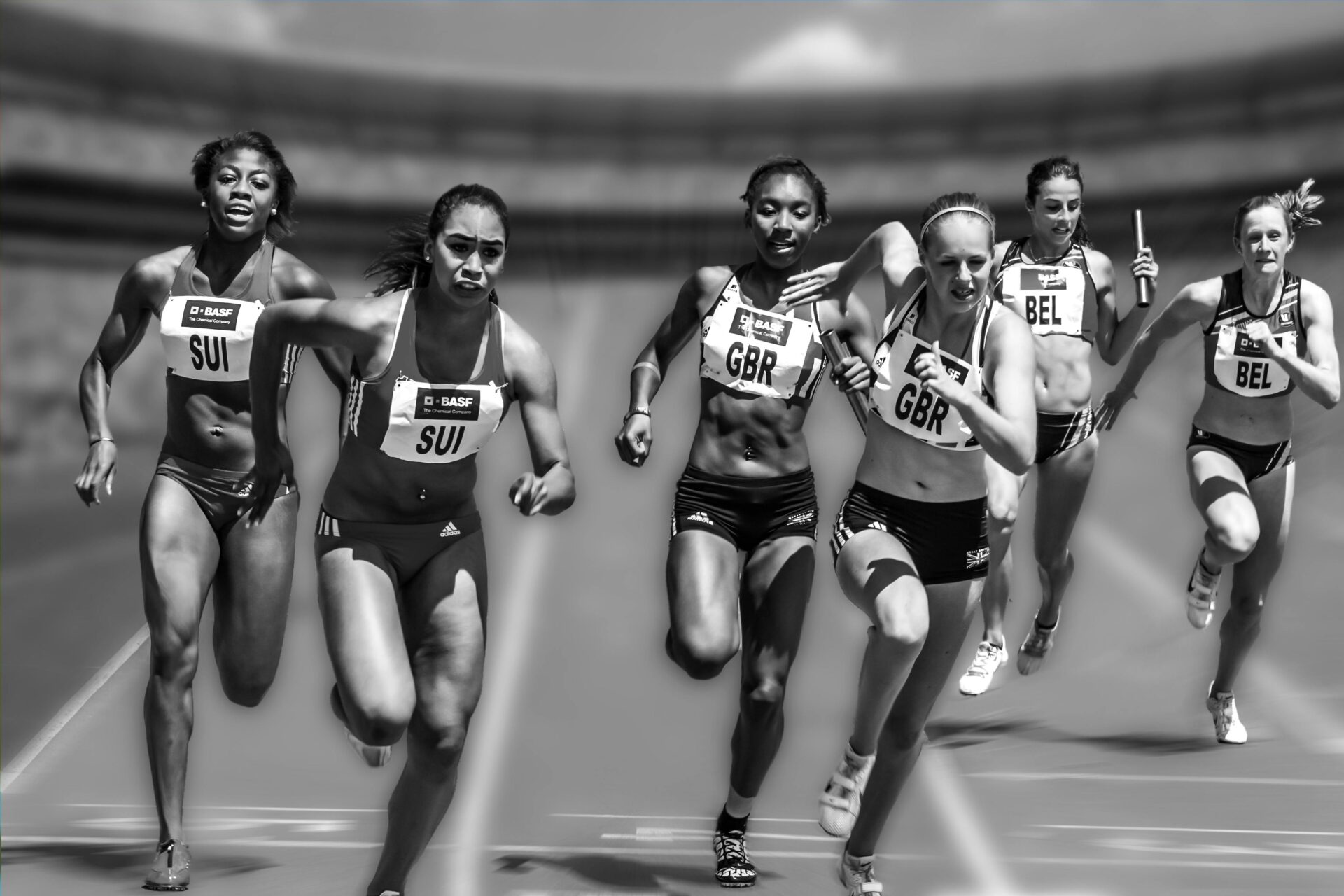
Achieving Equality: The Fight for Equal Pay and Representation
Despite the strides made in recent decades, female athletes continue to face significant inequalities, particularly regarding pay and representation. The disparity in earnings between male and female athletes remains one of the most contentious issues in sports today. In many professional sports leagues, female athletes earn a fraction of what their male counterparts make, even when performing at similar or higher levels. This pay gap is not limited to salary alone; it extends to sponsorship deals, prize money, and media coverage. For example, the U.S. Women’s National Soccer Team has consistently outperformed the men’s team yet has had to fight for equitable pay and resources, highlighting the systemic gender bias within the sports industry. Addressing such issues requires not only awareness but also effective strategies, which is where a full stack marketing agency can help amplify voices and drive change.
The battle for equal pay has seen major victories, yet the road to parity remains long. The U.S. Women’s Soccer Team’s successful lawsuit for fair wages garnered widespread attention and served as a catalyst for similar movements across sports worldwide. Tennis, too, has made significant strides, with all four Grand Slam tournaments now offering equal prize money for men and women—a milestone largely credited to the advocacy of Billie Jean King. These achievements underscore the importance of activism within sports and show that progress is possible when athletes, organizations, and fans unite in demanding change.
Representation in sports media is another area where disparities persist. Studies have shown that women’s sports receive significantly less coverage than men’s, leading to lower visibility and fewer sponsorship opportunities for female athletes. Media bias often influences how female athletes are portrayed, with coverage that focuses on personal lives or appearance rather than athletic accomplishments. This lack of visibility affects the public’s perception of women’s sports, perpetuating the notion that they are less entertaining or valuable than men’s sports.
To combat this imbalance, female athletes and advocates have worked to increase the visibility of women’s sports through social media and other platforms. Social media has become a powerful tool, enabling athletes to share their stories, connect with fans, and advocate for gender equality. Platforms like Instagram and Twitter allow female athletes to bypass traditional media, reaching audiences directly and building their brands. This direct access to fans has helped raise the profile of women’s sports and encourage greater engagement, particularly among younger audiences. Similarly, innovative crypto solutions are helping revolutionize the way athletes and fans connect, creating new opportunities for engagement and brand development.
Inspiring the Next Generation of Female Athletes
The impact of women in sports extends far beyond the achievements of individual athletes; it inspires the next generation of girls to pursue their dreams without limitation. Representation plays a crucial role in shaping young girls’ aspirations, and seeing women excel in sports sends a powerful message about what is possible. Female athletes serve as role models, proving that women can succeed in any arena they choose, whether on the field, court, or track. Similarly, technology like a handheld 3D scanner can empower women in various industries, showcasing their skills and contributions in new and innovative ways.
Youth participation in sports has numerous benefits, from physical health to confidence and teamwork skills. When young girls see women competing and succeeding in sports, they are more likely to develop an interest in athletics themselves. Programs that encourage female participation in sports have been shown to improve academic performance, build self-esteem, and teach resilience. The Women’s Sports Foundation, founded by Billie Jean King, is one of many organizations dedicated to empowering girls through sports, providing resources and opportunities to ensure that future generations have the tools they need to succeed. Similarly, organizations like network design companies play a crucial role in empowering communities by providing the infrastructure necessary for success in the digital age.
Schools and communities also play a vital role in supporting young female athletes. Access to quality facilities, coaching, and funding is essential to fostering talent and ensuring that girls have the same opportunities as boys to pursue their athletic goals. Continued investment in women’s sports at the grassroots level is essential to the growth and success of future female athletes. As more resources are allocated to youth programs, the next generation of female athletes will be better equipped to compete at elite levels and break new barriers. Just as athletes need the right gear to perform, stylish options like Joseph Ribkoff coats can help individuals express confidence and sophistication off the field.
